

.png)
 10 minute read
How Can Businesses Prevent Identity Fraud Across Every Channel?
Identity fraud continues to evolve as fraudsters exploit digital transformation across industries. Businesses lose billions annually when attackers compromise customer identities through mobile apps, websites, and call centers. Implementing omnichannel identity fraud prevention requires coordinated strategies that protect every customer touchpoint without creating excessive friction.
Modern fraud prevention combines advanced technologies with comprehensive verification processes. Organizations must balance security requirements against customer experience expectations while addressing regulatory compliance mandates. Understanding emerging fraud techniques and deploying appropriate countermeasures determines whether businesses protect customer trust or face reputational damage.
Key Takeaways
- Synthetic identity fraud creates fictitious personas using real and fake data, requiring AI-driven detection beyond traditional rule-based systems
- Account takeover caused $16.0 billion in losses during 2024, exploiting vulnerabilities across mobile, web, and call center channels
- Identity verification solutions combining document analysis, biometric authentication, and data verification reduce manual reviews by 80%
- Consumer priorities favor fraud prevention effectiveness (97%) over convenience, with 87% accepting additional security steps
- Multi-channel fraud prevention requires layered defenses integrating device fingerprinting, behavioral analytics, and continuous monitoring
What Is Identity Fraud and Why Is It a Growing Threat?
Identity fraud occurs when criminals use stolen or fabricated credentials to access accounts or establish new ones. Consumers lost $27.2 billion to identity fraud in 2024, representing a 19% year-over-year increase. This growth reflects increasingly sophisticated attack methods that bypass traditional security controls designed for simpler threat environments.
Digital transformation creates new attack surfaces that criminals actively exploit. Fraudsters leverage social engineering, synthetic identities, and account takeover techniques across multiple channels simultaneously. Businesses face escalating financial losses, regulatory penalties, and customer trust erosion when identity theft incidents occur through inadequate security controls.
What Are Synthetic Identities and How Do They Impact Fraud Risk?
Synthetic identity fraud blends real and fake information to create entirely new, fictitious personas. Fraudsters acquire a real Social Security Number, often from children or elderly individuals with no credit history. They combine this SSN with fabricated names, addresses, and birth dates to establish credit profiles.
These synthetic identities persist undetected for months or years because no immediate victim reports the fraud. Traditional fraud detection systems cannot identify synthetic identities easily since they appear as legitimate new accounts. Financial institutions discover these schemes only after fraudsters maximize credit lines and disappear.
How Does Multi-Channel Fraud Exploit Business Vulnerabilities?
Fraudsters exploit vulnerabilities across interconnected channels, including mobile apps, websites, and call centers. Account takeover occurs when criminals use social engineering tactics to trick consumers into revealing credentials. Nearly 20% of fraud cases involved account takeover through digital card capabilities during recent analysis.
Attackers specifically target features allowing full card information viewing and digital wallet additions. Cross‑channel authentication weaknesses enable criminals to compromise one channel and exploit access across others. Mule-related fraud increased 130% as fraudsters move illicit funds through peer-to-peer payments and external transfers.
What Consumer Demographics Are Most Affected by Identity Fraud?
Young adults aged 20-29 report the highest number of fraud incidents versus older adults aged 70+. Young adults fall victim to job scams and employment-related fraud due to their active job-seeking status. They engage frequently with online platforms where criminals pose as legitimate recruiters or employers.
Older adults report fewer incidents but suffer median losses often exceeding $1,650 per scam. They remain particularly vulnerable to imposter scams and fake security alerts delivered through trusted channels. Phone calls initiated 41% of high-loss scams targeting older demographics who trust voice communication.
What Are the Core Techniques for Identity Verification?
Identity verification confirms that individuals match the credentials they present during account creation or access. Organizations deploy multiple verification layers to authenticate users while detecting sophisticated fraud attempts. These techniques combine automated analysis with authoritative data sources to establish digital trust.
Effective verification reduces fraud losses while accelerating legitimate customer onboarding. Businesses implement identity authentication overview frameworks that balance security requirements against operational efficiency. Modern platforms automate verification workflows that previously required extensive manual review.
How Do Document Verification and Biometric Authentication Work?
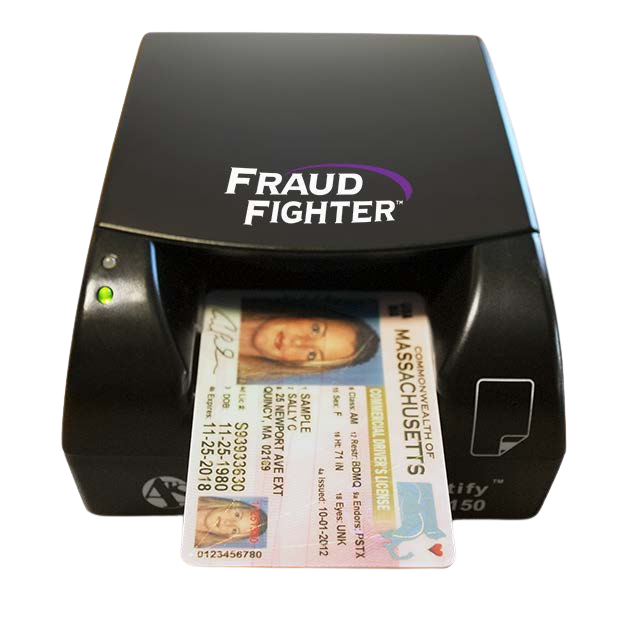
Document verification utilizes optical character recognition and AI to analyze government-issued ID documents for tampering. Systems extract data from passports, driver's licenses, and national identity cards during automated processing. Advanced algorithms detect photo substitution, altered text fields, and counterfeit security features.
Biometric authentication employs facial recognition and liveness detection to confirm physical presence during verification. Liveness checks prevent fraudsters from using photographs, videos, or masks to impersonate legitimate users. These systems compare facial biometrics against document photos to confirm that the person presenting credentials owns them.
What Role Does Data Verification Play in Confirming Identity?
Data verification cross-references user-provided information against authoritative databases, including credit bureaus and government registries. Systems validate that names, addresses, birth dates, and Social Security Numbers align across multiple sources. Discrepancies trigger additional review or rejection of applications containing potentially fabricated information.
Real-time screening against global sanctions lists, PEP databases, and adverse media prevents onboarding high-risk individuals. Compliance teams rely on these checks to satisfy customer identification program requirements under regulatory mandates. Automated screening reduces compliance workload while ensuring consistent enforcement across all customer applications.
How Do Identity Verification Companies Support Businesses?
ComplyAdvantage, Sumsub, and Onfido provide identity verification solutions for compliance teams managing regulatory requirements. These platforms integrate document verification, biometric authentication, and data screening into unified workflows. Businesses access comprehensive verification capabilities without building proprietary systems requiring ongoing development resources.
Admirals reduced customer registration from six weeks to one day using automated verification platforms. The company decreased manual review requirements by 80% while ensuring 100% regulatory compliance. Identity verification vendors deliver faster onboarding, reduced operational costs, and improved fraud detection accuracy.
How Can Businesses Detect and Prevent Synthetic Identity Fraud?
Synthetic identity detection requires paradigm shifts from traditional rule-based systems to advanced AI-driven analytics. Conventional fraud systems flag suspicious activity on known accounts but cannot identify new synthetic identities. Detection strategies must analyze behavioral patterns, relationship networks, and data anomalies indicating fabricated credentials.
Financial institutions implement multiple analytical techniques to uncover synthetic identity schemes before significant losses occur. Early detection prevents fraudsters from establishing credit history and maximizing borrowing limits. Businesses reduce charge-offs and regulatory reporting burdens by identifying synthetic identities during application processing.
What Is Identity Clustering and How Does It Identify Fraud Networks?
Identity clustering analyzes relationships between disparate data points to identify clusters of accounts controlled by single entities. Systems link shared attributes, including phone numbers, IP addresses, and device fingerprints across multiple applications. Patterns emerge when fraudsters reuse infrastructure elements to create numerous synthetic identities.
Graph analysis visualizes connections between seemingly unrelated accounts, revealing coordinated fraud rings. Algorithms detect when identical email addresses, physical addresses, or contact information appear across multiple profiles. Clustering techniques uncover fraud networks that individual transaction monitoring cannot identify.
How Does Behavioral Analytics Help Spot Fraudulent Activity?
Behavioral analytics monitors how users interact with applications, including typing cadence, mouse movements, and navigation patterns. Human users exhibit consistent behavioral signatures that bots and fraudsters cannot easily replicate. Systems establish baseline behaviors for legitimate users and flag deviations indicating potential fraud.
Fraudsters display different interaction patterns when rapidly creating multiple accounts or testing stolen credentials. Analytics detect abnormal login times, unusual geographic locations, and suspicious transaction sequences. Real-time behavioral scoring enables businesses to challenge suspicious sessions before fraudulent transactions are completed.
What Is Graph Network Analysis and Its Use in Fraud Detection?
Graph network analysis visualizes complex relationships between entities to track fraudulent money flows across interconnected accounts. Systems map how funds move between synthetic identities, mule accounts, and external recipients. Network visualization reveals fraud schemes that transaction-level analysis cannot detect independently.
Graph analytics identify central nodes in fraud networks controlling multiple subordinate accounts. Algorithms calculate relationship strengths and transaction patterns indicating coordinated criminal activity. Businesses disrupt entire fraud operations by identifying and blocking key network participants.
What Does a Multi-Channel Fraud Prevention Strategy Look Like?
Multi-channel fraud prevention implements coordinated defenses across all customer interaction points, including mobile, web, and voice. Fraudsters exploit inconsistent security controls by attacking the weakest channel to compromise accounts. Organizations must standardize protection mechanisms while adapting to channel-specific vulnerabilities and user expectations.
Effective strategies layer prevention, detection, and investigation capabilities to address fraud throughout customer lifecycles. Customer journey protection requires continuous monitoring from initial onboarding through ongoing transactions and account modifications. Integrated platforms provide unified visibility across channels, enabling faster threat identification and response.
Which Technologies Are Used for Fraud Prevention at the Device Level?
Device fingerprinting identifies unique hardware and software configurations associated with individual users and their devices. Systems analyze browser versions, screen resolutions, installed fonts, and hardware identifiers to create device signatures. Fraudsters attempting account access from new devices trigger additional authentication requirements or transaction blocks.
Geolocation analysis verifies that login attempts originate from expected locations based on customer history. Sudden geographic changes indicating impossible travel patterns signal potential account takeover attempts. Device-level controls prevent unauthorized access before fraudsters interact with sensitive account features or initiate transactions.
How Are Detection and Monitoring Implemented Across Channels?
Continuous monitoring of customer profiles detects changes in risk status across all interaction channels simultaneously. Systems track login patterns, transaction behaviors, and account modifications to identify suspicious activities. Anomaly detection algorithms compare current behaviors against historical baselines to flag potential fraud.
Real-time transaction monitoring analyzes payment amounts, recipient details, and transaction frequencies across channels. Identity authentication systems challenge suspicious transactions with step-up verification before allowing completion. Integrated monitoring provides comprehensive visibility that single-channel analysis cannot achieve.
What Tools Aid in Investigating and Resolving Fraud Incidents?
Unified case management platforms consolidate fraud alerts from multiple detection systems into a single investigation workflow. Analysts access complete customer histories, transaction details, and relationship networks within centralized dashboards. Automated evidence collection reduces investigation time while ensuring consistent documentation for regulatory reporting.
Collaborative intelligence sharing enables businesses to report fraud patterns and receive threat intelligence from industry networks. Organizations benefit from collective knowledge, identifying emerging attack techniques before experiencing direct losses. Investigation tools integrate with blocking mechanisms, enabling immediate responses to confirmed fraud incidents.
How Do Businesses Balance Fraud Prevention With Customer Experience?
Effective fraud prevention maintains security without creating excessive friction that drives customers toward competitors. Organizations must implement risk-based authentication that challenges suspicious activities while allowing legitimate customers seamless access. Balancing security and experience determines whether businesses retain customer loyalty while preventing fraud.
Consumer preferences guide how businesses deploy verification requirements and security controls. Understanding demographic differences in fraud vulnerability and technology comfort levels enables targeted protection strategies. Education initiatives help customers recognize fraud attempts and accept necessary security measures.
What Are Consumer Preferences Regarding Security and Friction?
97% of consumers state that fraud prevention effectiveness is their top priority when selecting financial institutions. Security concerns outweigh convenience preferences as customers recognize increasing fraud risks in digital environments. Consumers accept reasonable friction when they understand how security measures protect their accounts.
87% of consumers are willing to spend an extra five minutes on security measures during transactions. This acceptance enables businesses to implement thorough verification without significant customer abandonment. Clear communication about security purposes reduces frustration while building trust in protection mechanisms.
How Can Businesses Address Responsibility Expectations for Fraud Losses?
67% of consumers believe financial institutions should reimburse them for money lost in scams. This expectation exists even when consumers personally authorize fraudulent transactions under deception. Organizations face reputational damage and regulatory scrutiny when they refuse reimbursement for fraud losses.
36% believe financial institutions are primarily responsible for protecting them from scams beyond individual vigilance. This gap between reimbursement expectations and responsibility attribution creates communication challenges for fraud prevention teams. Businesses must balance customer expectations against sustainable fraud loss management and operational economics.
What Strategies Improve Customer Trust Through Education and Support?
Proactive fraud awareness education helps customers recognize social engineering tactics and suspicious contact attempts. Organizations provide regular communications about emerging scam techniques targeting their customer demographics. Educational content empowers customers to protect themselves while reducing successful fraud attack rates.
Responsive customer support during fraud incidents builds trust and loyalty despite negative experiences. Quick account restoration and clear reimbursement processes demonstrate institutional commitment to customer protection. Transparent communication about fake IDs and other fraud techniques positions businesses as partners in security.
How Do Compliance Teams Leverage Identity Verification Solutions?
Compliance teams deploy identity verification platforms to satisfy Know Your Customer and Anti-Money Laundering regulatory mandates. These solutions automate customer screening against sanctions lists, PEP databases, and adverse media sources. Automated verification reduces compliance workload while ensuring consistent policy enforcement across all customer applications.
Products for identity authentication integrate regulatory requirements into customer onboarding workflows without creating bottlenecks. Organizations achieve faster customer activation while maintaining complete audit trails for regulatory examinations. Verification platforms adapt to changing regulations without requiring extensive internal development resources.
What Are Essential Features for Regulatory Compliance?
Automated sanctions screening compares customer information against global watchlists during onboarding and ongoing monitoring. Systems flag matches requiring manual review before allowing account activation or transaction processing. Real-time screening ensures businesses never inadvertently serve sanctioned individuals or entities.
Comprehensive audit trails document every verification step taken during customer onboarding and ongoing due diligence. Platforms maintain timestamped records of document submissions, verification results, and analyst decisions. These records satisfy regulatory examination requirements and support suspicious activity reporting when fraud is detected.
How Does Ongoing Monitoring Support Compliance Requirements?
Ongoing monitoring tracks customer risk profiles throughout account lifecycles to identify emerging compliance concerns. Systems continuously screen existing customers against updated sanctions lists and adverse media sources. Changes in customer risk status trigger immediate alerts, enabling proactive compliance responses.
Transaction monitoring identifies patterns consistent with money laundering or terrorist financing requiring regulatory reporting. Automated analysis detects structuring, rapid movement of funds, and relationships with high-risk jurisdictions. Ongoing monitoring satisfies regulatory expectations for continuous due diligence beyond initial onboarding verification.
What Are Cost Considerations for Different Verification Tiers?
Budget tier synthetic identity detection requires $5,000 to $50,000 setup costs versus premium tier custom enterprise pricing. Organizations evaluate detection capabilities against transaction volumes and fraud loss histories when selecting tiers. Initial investments prevent significantly larger losses from undetected synthetic identity schemes.
Mid-range multi-channel prevention costs $50,000 to $200,000 annually versus premium custom enterprise pricing. Budget identity verification ranges from $0.30 to $2.50 per transaction, versus mid-range $1.35 to $1.85. Transaction-based pricing scales with business growth while maintaining predictable cost structures.
What Emerging Trends Influence Identity Fraud Prevention Technologies?
Technology evolution drives both fraud prevention capabilities and criminal attack sophistication in continuous cycles. Businesses must anticipate emerging threats while adopting advanced detection technologies to maintain effective defenses. Market growth reflects increasing investment in fraud prevention as digital transformation accelerates across industries.
Regional market dynamics influence where fraud prevention innovation occurs and which techniques criminals prioritize. Organizations operating internationally must understand geographic variations in fraud patterns and regulatory requirements. Global market expansion creates opportunities for technology vendors while challenging businesses to implement consistent protection.
How Is AI Transforming Fraud Detection and Verification Processes?
AI-driven analytics identify synthetic identities by detecting subtle data inconsistencies that rule-based systems cannot flag. Machine learning models analyze millions of data points to establish normal patterns and flag anomalies. These systems continuously improve detection accuracy as they process additional fraud cases and legitimate applications.
Automated verification processes reduce manual review requirements from hours to seconds while improving accuracy. AI analyzes document authenticity, biometric matching, and data consistency faster than human analysts. Organizations achieve both operational efficiency improvements and enhanced fraud detection through AI implementation.
What Impact Does Regional Market Growth Have on Fraud Strategies?
The global fraud detection and prevention market, valued at $33.13 billion in 2024, reaches $90.07 billion by 2030. Market expansion reflects increasing fraud losses and regulatory compliance requirements, driving technology investments. Organizations prioritize fraud risk consolidation across channels as attack sophistication increases globally.
Asia Pacific represents the fastest-growing market, with North America dominating with 37.3% market share. Regional growth differences reflect varying digitization rates, regulatory frameworks, and fraud technique prevalence. Organizations expanding internationally must adapt fraud prevention strategies to regional threat landscapes and customer expectations.
How Are New Fraud Schemes Shaping Business Response?
Account takeover accounts for $16.0 billion (59%) of total identity fraud losses in 2024. This concentration drives investment in a multi-industry security framework capabilities protecting customer accounts across channels. Businesses implement step-up authentication and behavioral monitoring specifically targeting account takeover prevention.
Mule-related fraud increased 130% as criminals exploit peer-to-peer payment systems and external transfers. Organizations enhance transaction monitoring to detect rapid fund movements characteristic of mule operations. Fraud prevention strategies evolve continuously as criminals develop new attack methods exploiting emerging technologies.
Strategies for Comprehensive Identity Fraud Prevention Across All Channels
Comprehensive fraud prevention requires coordinated strategies protecting customers throughout their entire journey from onboarding through ongoing transactions. Organizations must implement layered defenses combining prevention technologies, real-time detection, and rapid incident response capabilities. Success depends on balancing security requirements against customer experience expectations while satisfying regulatory compliance mandates.
Multi-channel protection strategies integrate device-level controls, behavioral analytics, and identity verification into unified frameworks. Businesses achieve fraud risk consolidation by centralizing monitoring across previously siloed channels and systems. FraudFighter partners with organizations implementing comprehensive identity fraud prevention, protecting customers while maintaining operational efficiency.
Verify Every Identity. Protect Every Channel.
Identity fraud doesn't wait for the next quarterly review — and neither should your defenses. FraudFighter has helped Wells Fargo, Bank of America, Avis, and thousands of other businesses authenticate IDs and stop fraud at the point of transaction for over 25 years. Our identity verification solutions confirm documents in under 10 seconds, integrate across mobile, web, and in-person channels, and meet SOC 2 Type II security standards your compliance team requires.
Whether you're closing gaps in onboarding, strengthening account takeover defenses, or preparing for your next regulatory audit, we'll show you exactly where fraud is slipping through — and how to stop it. Schedule a free fraud prevention consultation today! And once the verification side is locked down, plenty of branches fold a dependable CountEasy Money Counter into the same workflow, trimming reconciliation time at close while keeping every drawer accurate.