


 9 minute read
Convenience Store Counterfeit Defense: A Manager's Guide to High-Risk Shifts
Convenience stores face disproportionately high counterfeit currency attempts during overnight and early-morning hours when staffing levels are minimal. Multi-technology detection systems, integrated surveillance, and standardized verification protocols create a layered defense that protects stores from financial losses while maintaining transaction speed.
Implementing counterfeit detection technology alongside operational procedures reduces both immediate monetary losses and long-term shrinkage from undetected fraud. The counterfeit money detection market reached $4.3 billion in 2025, reflecting widespread recognition that manual inspection methods fail against modern counterfeit techniques, making automated counterfeit currency detection the practical standard for cash-heavy stores.
Key Takeaways
- Multi-technology counterfeit detectors achieve 99%+ accuracy by combining UV, magnetic, and infrared verification simultaneously
- High-risk shifts with reduced staffing create vulnerability to sophisticated counterfeit attempts at convenience stores
- Smart safes and automated reconciliation reduce cash handling errors by 68% and cut daily reconciliation time to under 10 minutes
- Bills over $20 should trigger mandatory automated verification to eliminate subjective employee judgment
- Integrated video surveillance with transaction data creates audit trails that deter counterfeit passers and support prosecution
What Is Counterfeit Defense and Why Is It Critical for Convenience Stores?
Counterfeit defense combines a counterfeit money detector and other technology-based verification systems with operational protocols that prevent acceptance of fraudulent currency. Convenience stores experience elevated risk compared to other retail formats because high-risk shifts operate with a single employee managing multiple responsibilities simultaneously.
Lower-income households use cash for 43% of weekly transactions, creating substantial currency volume in convenience environments. This demographic concentration, combined with reduced overnight staffing, creates conditions that counterfeit passers actively exploit.
How Do Counterfeit Detection Technologies Work?
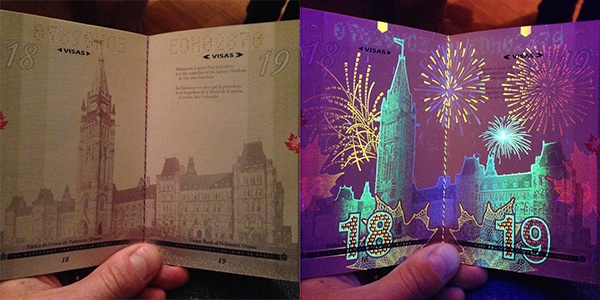
Multi-technology detection uses UV, magnetic, and infrared sensors simultaneously, layering counterfeit detection technology for verification accuracy exceeding 99%. Ultraviolet detection holds 32.7% market share by identifying fluorescent security features embedded in authentic currency.
Magnetic ink detection commands 28.5% market share by verifying the magnetic properties of genuine Treasury ink. Infrared detection represents 22.3% of the market by examining ink absorption patterns invisible to human vision.
What Are the Key Features of Effective Counterfeit Detection Tools?
Single-feature detection methods like UV pens and basic counterfeit bill detector units achieve significantly lower accuracy than multi-technology systems offering 99%+ verification rates. UV pens remain insufficient against sophisticated counterfeits that replicate fluorescent security features while failing other authentication tests.
The counterfeit money detection market is projected to reach $7.0 billion by 2035, growing at 5.0% CAGR annually. This growth reflects retailer migration from basic detection tools to comprehensive counterfeit money verification systems.
Which Demographics and Payment Behaviors Affect Counterfeit Risk?
Consumers aged 55 and older use cash at least monthly at 72% rates, creating predictable transaction patterns. Among those over 65, cash usage reaches 78% weekly, concentrating currency volume during daytime shifts.
The 18-24 demographic maintains 54% monthly cash usage despite 30% mobile wallet adoption among this age group. Unbanked rates reach 22% for lower-income groups versus 1% for higher-income households, driving cash dependency in convenience settings.
When Are High-Risk Shifts and What Makes Them Vulnerable to Counterfeiting?
High-risk shifts occur during late-night and early-morning hours when single employees manage register operations and store security. Reduced staffing eliminates peer verification opportunities that naturally occur during multi-employee shifts when suspicious transactions receive additional scrutiny.
Counterfeit passers target these vulnerable windows because employee distraction and decision fatigue increase after prolonged solo shifts. Manual cash handling during these periods increases both error rates and the likelihood that counterfeit currency enters circulation.
What Operational Challenges Occur During Late Night and Early-Morning Shifts?
Late-night operations force employees to divide attention between transaction processing, inventory restocking, and security monitoring simultaneously. Staff working overnight shifts experience cognitive fatigue that reduces visual inspection effectiveness for counterfeit bill detection compared to alert daytime performance.
Convenience stores face targeted counterfeit attempts because perpetrators recognize single-employee vulnerability during graveyard shifts. The absence of manager supervision creates perceived opportunities for fraudulent transactions that would face additional scrutiny during staffed periods.
How Does Staffing Impact Counterfeit Incident Rates?
Manual cash handling increases error rates and shrinkage proportionally to transaction volume without automated verification systems. A short employment relationship with frontline staff drives turnover that requires continuous training programs to maintain consistent counterfeit identification skills across rotating personnel. Retention on these shifts also depends on fair scheduling and pay transparency, since the absence of pay discrimination keeps experienced employees in place to spot counterfeit attempts.
Implementing smart safes resulted in 68% reduction in cash handling errors across retail deployments. Automated systems remove human judgment variability that creates detection inconsistencies between experienced and newly-trained employees.
What Are the Most Common Counterfeit Methods Detected in Convenience Stores?
Bleached genuine currency reprinted with higher denominations represents the most sophisticated counterfeit method, passing basic detection tests. These counterfeits retain authentic paper texture and pass UV pen verification while displaying incorrect denomination printing.
Digital printing technology enables counterfeiters to replicate security features, including microprinting and color-shifting ink that deceive visual inspection. Multi-technology counterfeit detector machines identify these forgeries by testing magnetic ink properties and infrared absorption patterns.
How Can Managers Integrate Technology and Procedures to Mitigate Counterfeit Losses?
Technology integration must combine detection equipment with mandatory verification workflows that eliminate subjective employee decision-making. Standardized procedures ensure consistent counterfeit screening regardless of shift timing or individual employee experience levels.
Automated systems create audit trails linking specific transactions to employee identifiers and video timestamps. This documentation supports both loss prevention analysis and prosecution when counterfeit money detector machine systems flag fraudulent currency.
What Multi-Technology Detection Systems Should Be Implemented at Registers?
Multi-technology detection systems must be installed at every register to eliminate gaps in counterfeit screening coverage. Counterfeit detection represents 28% of the total cash management market value, reflecting its critical role in loss prevention strategies.
These counterfeit detection systems offer 99%+ accuracy rates by testing multiple authentication features within seconds of bill insertion. Automatic verification removes employee burden while maintaining transaction speed that manual inspection methods cannot match.
How Does Video Surveillance Enhance Counterfeit Detection During High-Risk Shifts?
High-definition cameras positioned to capture cash handling at point-of-sale create visual records corresponding to transaction data. Video documentation provides prosecution evidence when counterfeit currency is later identified during bank deposits or cash reconciliation.
Integrated surveillance systems connect transaction timestamps to video footage, enabling managers to review suspicious bills. This integration deters counterfeit attempts because perpetrators recognize surveillance creates identification risk beyond immediate transaction rejection.
What Are the Best Practices for Staff Training and Incident Handling?
Regular staff training on visual inspection techniques maintains baseline counterfeit awareness even when automated systems provide primary verification. Employees must understand how to operate UV counterfeit detector equipment and interpret results without subjective interpretation.
De-escalation protocols protect employee safety when counterfeit detection triggers confrontational customer responses. Training should emphasize company policy requiring manager notification rather than employee-led resolution of suspected counterfeit incidents, supported by a documented internal complaint process. Reporting a suspected counterfeit should be treated as protected activity, so staff escalate concerns without facing materially adverse actions for following procedure.
What Are the Core Components of a Convenience Store Cash Management Ecosystem?
Cash management ecosystems integrate detection technology, secure storage, and reconciliation software into unified operational workflows. These interconnected systems reduce manual touchpoints where errors introduce shrinkage and create opportunities for both counterfeit acceptance and internal theft.
Comprehensive ecosystems provide real-time cash position visibility that enables provisional credit from banking partners. Automation eliminates the 45-60 minute manual reconciliation processes that delay closing procedures and increase labor costs.
How Do Money Counters Improve Cash Handling Accuracy and Speed?
Standard bill counters process 1,000-1,500 bills per minute compared to mixed bill counters handling 1,200-1,900 bills per minute. Money counter machines are experiencing 12.5% year-over-year growth driven by replacement cycles and stores upgrading from a single cash counting machine to mixed-denomination technology.
Money counters represent 22% of the total cash management market value across retail segments. Mixed-denomination counters eliminate manual sorting by processing different bill values simultaneously, reducing handling time and error rates.
What Role Do Smart Safes Play in Securing Cash Deposits?
Smart safes combine physical security with digital connectivity for automated deposit verification and real-time cash tracking. Smart safe systems are valued at $4.98 billion with 7.7% CAGR through 2035, representing 32% of the total cash management market value.
Large retail chains represent 49% of smart safe market adoption because multi-location operations maximize ROI benefits. The 68% reduction in cash handling errors after implementing smart safes directly reduces shrinkage attributed to operational inefficiencies.
How Can Automated Reconciliation Software Reduce Shrinkage Risk?
Daily reconciliation time decreased from 45-60 minutes to under 10 minutes after automated software deployment in retail environments. Software solutions achieve up to 90% auto-match rates by comparing transaction records to physical cash counts without manual intervention.
Automated cash reconciliation software is growing at 9.7% CAGR, representing 15% of the total market value. This growth reflects retailer recognition that two-thirds of shrinkage stems from operational inefficiencies rather than theft alone.
How Should Convenience Store Managers Establish Policies for Bill Acceptance and Verification?
Bill acceptance policies must establish objective thresholds triggering mandatory automated verification to eliminate subjective employee judgment. Clear protocols protect both the business from counterfeit losses and employees from disciplinary consequences when following established procedures.
Written policies create legal documentation supporting criminal prosecution and the recovery of compensatory damages, and in some cases punitive damages, when counterfeit passers are identified through surveillance footage. Standardized workflows ensure PCI compliance and audit readiness during regulatory reviews or insurance claims.
What Thresholds Are Recommended for Automated Bill Verification?
Strict acceptance thresholds requiring automated verification for bills over a $20 balance counterfeit risk against transaction speed requirements. This threshold captures the majority of counterfeit attempts while processing smaller denominations through standard cash drawer procedures.
Bills of $50 and $100 denominations warrant dual verification using both automated detection and visual security feature inspection. Multi-step verification for high-value bills creates redundancy, preventing sophisticated counterfeits from entering cash inventory.
How Can Dual Custody and Audit Trails Strengthen Security?
Strict protocols for dual custody during large denomination handling create accountability that deters both external fraud and internal theft. Requiring two employees to witness and document high-value transactions establishes clear responsibility chains for subsequent audits.
Unique employee identifiers for all transactions enable precise tracking of when specific bills are entered into inventory systems. This granular audit trail supports investigation when counterfeit currency is discovered during bank deposits or reconciliation processes.
What Procedures Reduce Employee Subjectivity in Counterfeit Identification?
Workflows that minimize cash handling touchpoints reduce opportunities for both counterfeit acceptance and legitimate currency loss. Automated systems remove human decision-making from the verification process, preventing inconsistent application of security protocols.
Mandatory manager involvement for suspected counterfeit bills protects employees from confrontational situations exceeding their authority. Escalation procedures ensure experienced personnel handle resolution while maintaining documentation for potential law enforcement involvement.
What Are the Consumer Payment Trends Influencing Cash Management Strategy?
Consumer payment preferences directly impact the volume and denomination mix of currency flowing through convenience store operations. Understanding demographic payment behaviors enables managers to optimize cash handling capacity and detection technology deployment for actual transaction patterns.
Cash usage remains concentrated among specific age and income segments despite overall digital payment growth. These persistent cash preferences require ongoing investment in currency handling infrastructure rather than wholesale elimination of cash management capabilities.
How Do Age and Income Affect Cash Usage Among Convenience Store Customers?
Consumers aged 55 and older use cash at least monthly at 72% rates, with weekly usage reaching 78% among those over 65. Younger demographics show 30% mobile wallet adoption for 18-24 age groups, yet 54% still use cash monthly for convenience purchases.
Households under $25,000 annually use cash weekly at 43% rates, concentrating currency volume in stores serving lower-income neighborhoods. This demographic pattern creates a predictable cash dependency that justifies continued investment in handling and detection infrastructure.
What Geographic Factors Influence Cash Dependency?
Urban areas report 58% weekly online payment usage but maintain 38% weekly cash transactions for immediate-need purchases. Rural locations exhibit higher cash dependency due to limited broadband access, affecting mobile wallet functionality and digital payment adoption.
Geographic cash concentration requires location-specific cash management strategies rather than enterprise-wide standardization. High-volume urban stores warrant premium detection equipment, while rural locations may optimize for basic verification and secure storage.
How Should Managers Adapt to Shifting Payment Preferences While Maintaining Security?
Monitoring monthly cash transaction percentages enables data-driven equipment investment decisions aligned with actual payment method usage. Declining cash volume may justify transitioning from multiple detection units to strategic placement at high-value transaction registers.
Maintaining detection capability despite reduced cash usage protects against concentrated counterfeit losses during remaining currency transactions. Even stores processing 70% digital payments face significant exposure from undetected counterfeits in the remaining 30% cash volume.
How Can Convenience Stores Balance Cost, Speed, and Accuracy in Counterfeit Defense Investments?
Equipment investment decisions must evaluate upfront costs against quantifiable shrinkage reduction and labor savings from automated verification. Total cost of ownership includes hardware purchase, ongoing maintenance, consumables, and software subscriptions for connected systems.
Processing speed directly impacts customer experience because verification delays create queue bottlenecks during peak transaction periods. Premium equipment commands higher prices but delivers throughput rates that maintain service levels while providing comprehensive fraud protection.
What Are the Typical Price Ranges and ROI Considerations for Detection Equipment?
Standard counters range from $150-$300 while mixed counters cost $600-$1,200 for advanced denomination sorting capability. Budget counterfeit detectors start at $25 for basic UV verification versus $400 for premium multi-technology systems.
Money counters span $150-$1,200+ compared to smart safes requiring $3,000-$15,000 initial investment per location. Reconciliation software operates on $2,000-$50,000+ annual subscription models versus one-time hardware purchase structures.
How Does Processing Speed Affect Customer Experience and Loss Prevention?
Standard bill counters deliver 1,000-1,500 bills per minute processing speed versus 1,200-1,900 bills per minute for mixed counters. Manual reconciliation requiring 45-60 minutes compares to automated systems completing verification in under 10 minutes per shift.
Faster processing enables real-time counterfeit detection before perpetrators leave the premises, rather than discovery during delayed reconciliation. Immediate detection creates prosecution opportunities and deters repeat attempts at the same location.
What Security Features Are Prioritized by Retailers?
Retail shrinkage reached 2% in 2023, with two-thirds of losses stemming from operational inefficiencies rather than theft. This breakdown prioritizes accuracy-focused security features over purely theft-prevention mechanisms in equipment selection criteria.
Multi-technology detection systems address both counterfeit acceptance and cash handling errors that contribute to operational loss. Integrated systems providing audit trails and exception reporting enable targeted training interventions, reducing both fraud and procedural errors.
Convenience Store Counterfeit Defense Strategies for High-Risk Shifts: Synthesize Technology, Training, and Policy
Effective counterfeit defense requires synchronized implementation of detection technology, employee training, and mandatory verification workflows. Comprehensive strategies eliminate the vulnerability gaps that counterfeit passers exploit during overnight shifts when single employees manage competing operational demands.
Integrating smart safes, multi-technology detectors, and automated reconciliation creates measurable shrinkage reduction while improving cash handling efficiency. FraudFighter™ solutions enable convenience store managers to standardize counterfeit prevention across all locations, eliminating the inconsistencies that create soft targets for fraudulent activity.
Make Counterfeit Defense Standard Across Every Shift With FraudFighter
FraudFighter has protected point-of-sale transactions for more than 25 years, with 25,000+ units deployed across retail, banking, and hospitality. Our automatic counterfeit detection systems check UV, infrared, magnetic ink, and intaglio features in seconds, so a single overnight cashier never has to make the call alone. Verification stays consistent whether you run one store or two hundred.
Request a free, no-obligation consultation. We will help you match a counterfeit money detector and cash management setup to your transaction volume, shift patterns, and budget before the next fake bill reaches your deposit. Bring up returns, check acceptance, or anything else where a name has to match a face, and we can walk you through instant identity authentication in the same conversation.