

 9 minute read
How Do You Authenticate a Driver's License Before Approving a Loan?
Financial institutions authenticate driver's licenses by combining document verification, biometric analysis, and AI-powered fraud detection systems. This multi-layered approach verifies that the license is genuine and matches the loan applicant's actual identity. Advanced identity verification integration has become essential as synthetic identity fraud and deepfake attacks surge across lending operations.
The authentication process extracts data from the license, analyzes security features, and compares facial geometry to confirm identity. Lenders implement these systems to satisfy regulatory requirements while protecting against fraud losses exceeding USD 30 billion annually. Modern driver's license authentication operates as a critical checkpoint in auto-lender workflow and other credit decisioning processes.
Key Takeaways
- Driver's license authentication verifies borrower identity using OCR, biometric analysis, and AI fraud detection systems
- Document verification analyzes microprint, holograms, and machine-readable zones to detect counterfeit or altered licenses
- Facial recognition technology achieves over 99.97% accuracy when combined with liveness detection
- Synthetic identity fraud causes USD 30-35 billion in annual losses across financial services
- Advanced authentication systems deliver 3:1 to 5:1 ROI by preventing fraud losses and reducing compliance costs
What Is Driver's License Authentication and Why Is It Important?
Definition and Purpose of Authentication in Loan Approval
Driver's license authentication verifies that an identity document is genuine and belongs to the person presenting it. Know Your Customer (KYC) compliance verifies customer identity to meet regulatory obligations and prevent financial crime. Biometric authentication uses physiological characteristics for identity verification, confirming the applicant matches the photo on the license.
Anti-Money Laundering (AML) watchlist screening checks against prohibited persons to prevent sanctioned individuals from accessing credit. These verification steps form the foundation of a compliant customer identification program required by financial regulators. Lenders who skip proper authentication face regulatory penalties and substantial fraud losses.
Common Fraud Risks Involving Driver's Licenses
Synthetic identity fraud uses fabricated identities combining real and fake information to create seemingly legitimate borrowers. Deepfakes are AI-generated fake videos or images of real people used to bypass facial recognition systems. Global scam losses reached USD 1.03 trillion in a single year, rivaling the GDP of entire nations.
Synthetic identity fraud causes USD 30-35 billion in annual losses across the financial services industry alone. Deepfakes linked to 1 in every 5 biometric fraud attempts represent a 4,151% surge in incidents. Sophisticated fake IDs now defeat human detection, requiring automated systems to analyze security features invisible to untrained staff.
Regulatory and Compliance Considerations
The average KYC compliance cost is USD 60 million annually per financial institution, creating significant operational pressure. 99% of institutions report increased KYC costs as regulators demand more comprehensive identity verification. GDPR and PSD2 compliance requirements in Europe mandate strict data protection while enabling secure digital transactions.
E-KYC initiatives in the Asia-Pacific region accelerate digital lending by allowing remote identity verification. Financial institutions must balance regulatory compliance with customer experience to prevent abandonment during onboarding. Proper driver's license authentication satisfies regulatory requirements while protecting lenders from preventable fraud losses.
What Are the Main Methods for Verifying a Driver's License?
Document Authentication Technologies and Features
Document verification relies on OCR (Optical Character Recognition), which extracts text from documents for database comparison. Machine-readable zones (MRZ) are standardized areas on identity documents containing encoded information verifiable against templates. Document liveness detection prevents presentation attacks using screens or printed copies by requiring real-time capture.
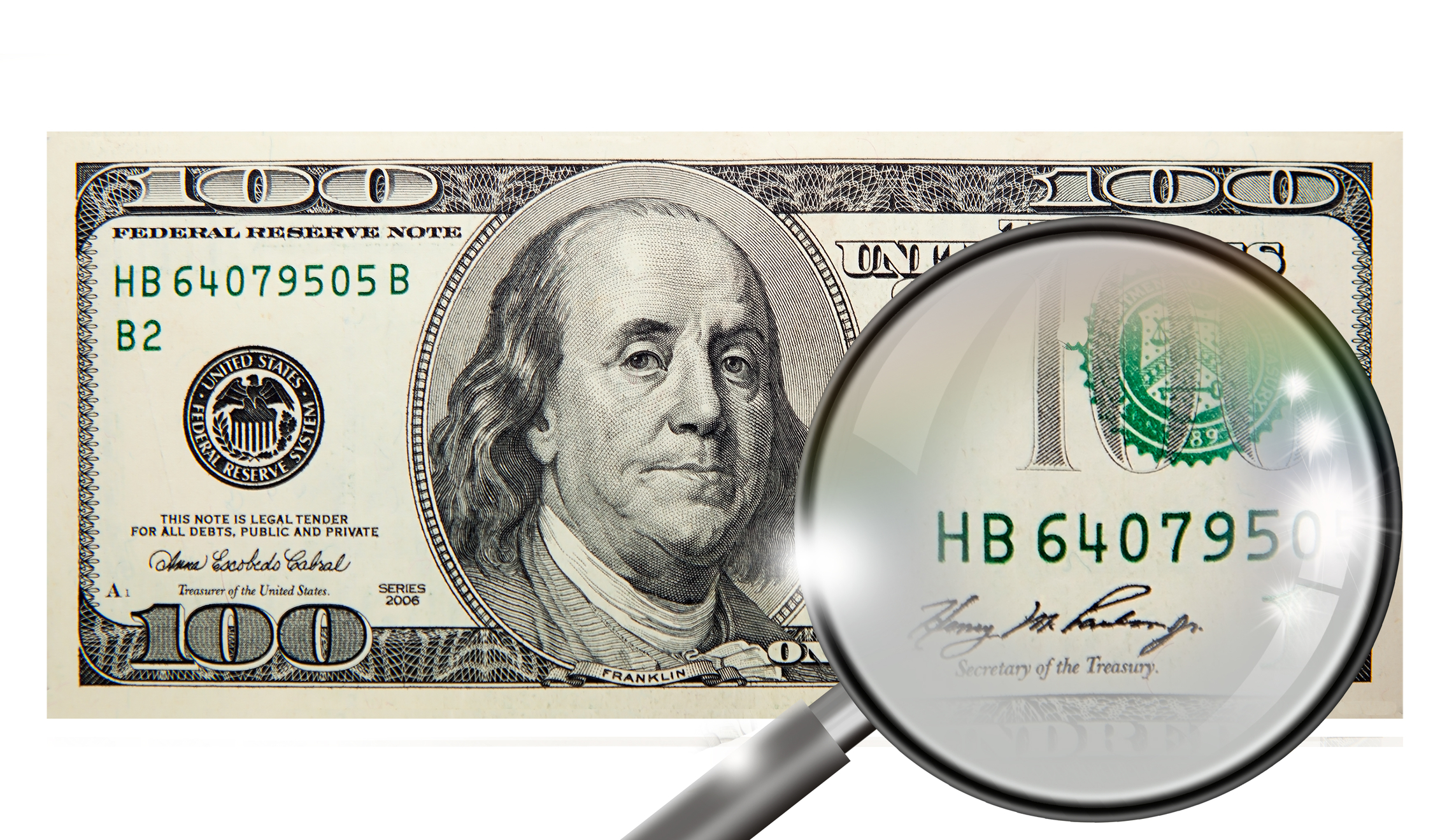
Systems analyze microprint on documents to detect counterfeits that lack this microscopic text detail. Systems check holograms for authenticity by verifying light reflection patterns impossible to replicate with standard printing. Advanced counterfeit detection examines multiple security layers simultaneously to identify sophisticated forgeries.
Biometric Verification Linked to Driver's Licenses
86% of users prefer biometrics over passwords because they eliminate the need to remember credentials. 70% of mobile banking users across six nations use facial login for account access. 81% of smartphones had biometrics enabled as of 2022, making this technology familiar to most consumers.
75% of US consumers have used biometric tools such as fingerprint, face, or hand geometry. 3D depth sensing measures facial depth to verify real presence rather than a photograph or screen. Biometric verification provides faster authentication than traditional passwords while offering stronger security against identity theft.
AI-Powered Verification Solutions for Enhanced Security
Machine learning algorithms recognize patterns across millions of verification attempts to identify anomalies invisible to human reviewers. Real-time anomaly identification occurs during the authentication process, flagging suspicious behavior for immediate review. Behavioral risk scoring is calculated by analyzing how the applicant interacts with the verification interface.
AI solutions adapt to new threats vs static document checks that rely on pre-programmed security features. Advanced systems continuously learn from fraud attempts to improve detection accuracy without manual updates. These intelligent platforms integrate document verification, biometric analysis, and behavioral monitoring into unified ID authentication workflows.
How Do Biometric and AI Technologies Enhance Driver's License Authentication?
Role of Facial Recognition and Liveness Detection
Facial recognition accuracy over 99.97% in ideal conditions makes it the most reliable biometric identifier available. Facial recognition algorithms map facial geometry by measuring distances between key landmarks like eyes and mouth. 3D depth sensing detects live presence by analyzing facial contours, impossible to replicate with flat images.
Micro-movement tracking confirms liveness by detecting involuntary facial movements like blinking and micro-expressions. These technologies prevent fraudsters from using photographs, videos, or sophisticated masks to impersonate legitimate borrowers. Liveness detection has become essential as deepfake technology enables increasingly convincing fake identities.
Machine Learning for Fraud Pattern Detection
Machine learning algorithms recognize patterns by analyzing historical fraud data and identifying common characteristics of fraudulent applications. Real-time anomaly identification occurs when the system detects behavior deviating from established patterns of legitimate users. Behavioral risk scoring is calculated by weighing multiple factors, including device fingerprinting and navigation patterns.
4,151% surge in deepfake-related fraud incidents demonstrates the escalating sophistication of identity fraud attacks. AI-powered systems adapt to these emerging threats by continuously training on new fraud examples. This dynamic learning capability provides protection against fraud techniques that did not exist when the system was deployed.
Combining Biometrics with Document Verification
Document authentication requires high-quality image capture vs. biometrics offer contactless authentication using built-in smartphone cameras. Biometrics provide faster authentication than traditional passwords, reducing friction during loan application processes. Multi-modal verification combines document analysis with facial recognition to create a layered defense against fraud.
Systems cross-reference the photo on the license with the live selfie to confirm identity continuity. This combined approach detects cases where a genuine license is presented by someone other than the owner. Integrated verification delivers higher accuracy than either method used independently.
What Are the Consumer and Organizational Priorities in Identity Verification?
Balancing Convenience and Fraud Protection
86% of users prefer biometrics over passwords because they eliminate memorization while providing stronger security. Biometrics provide faster authentication than traditional passwords, reducing application abandonment caused by lengthy verification processes. Lenders must balance rigorous fraud prevention with seamless user experience to maximize approval rates.
Excessive friction during verification causes legitimate applicants to abandon applications before completion, reducing revenue. Systems that complete verification in under 10 seconds maintain customer engagement while providing comprehensive fraud detection. Optimal solutions deliver enterprise-grade security without compromising the customer experience.
Generational Differences in Verification Preferences
Millennials 32% more likely to enable two-factor authentication after a breach compared to other age groups. 28% of the general population enables two-factor authentication after a breach, indicating lower security awareness overall. 5% of Boomers are interested in AI-driven commerce vs 30% of Millennials, showing significant generational adoption gaps.
Millennials adopt security measures more than older generations, creating demographic variations in verification preferences. Lenders must design inclusive verification experiences that accommodate varying comfort levels with digital technology. Multi-option authentication allows users to select methods matching their technical proficiency and trust levels.
Impact of User Experience on Loan Approval Processes
70% of mobile banking users across six nations use facial login, demonstrating consumer comfort with biometric verification. 46% adoption rate for mobile biometrics at airports shows widespread acceptance of this technology in high-stakes environments. Positive user experience during authentication increases loan application completion rates and customer satisfaction.
Complicated verification processes create abandonment points where frustrated applicants seek competing lenders with simpler workflows. Systems that embed authentication naturally into credit decisioning workflows maintain application momentum while satisfying security requirements. Streamlined verification protects both the lender and the legitimate borrower from fraud consequences.
How Is Driver's License Data Extracted and Validated Technically?
Optical Character Recognition and Template Matching
OCR extracts text from identity documents by analyzing character shapes and converting images to machine-readable data. Template matching verifies document legitimacy by comparing the captured license against authentic templates for that jurisdiction. Machine-readable zones are verified by decoding the MRZ barcode and cross-referencing extracted data with visible fields.
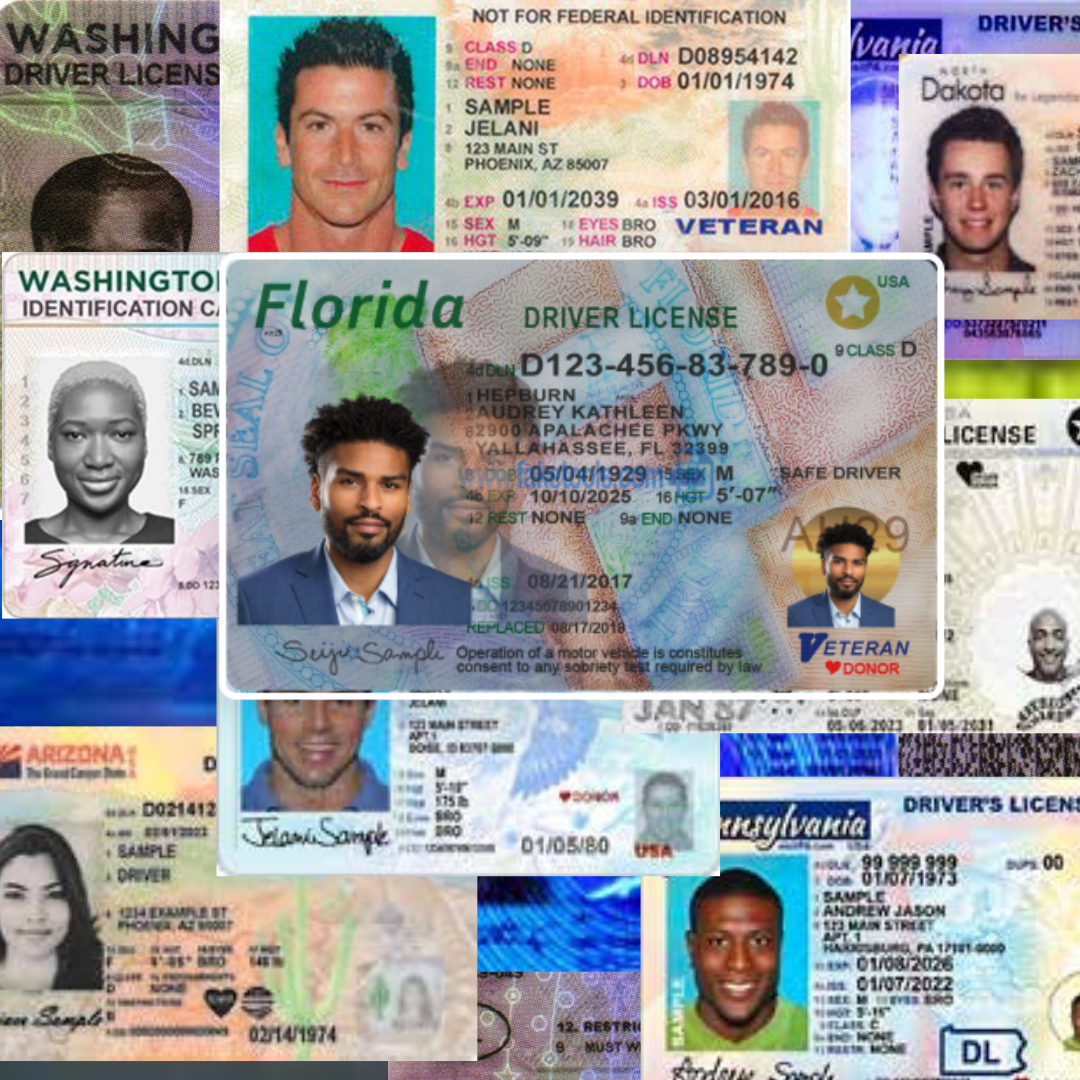
Systems validate that security feature placement matches official specifications for the issuing state or province. Advanced platforms maintain updated templates for thousands of document types across global jurisdictions. This comprehensive database enables accurate verification regardless of where the license was issued.
Verification of Security Features on Physical Licenses
Systems analyze microprint on documents by examining areas that should contain text invisible to the naked eye. Systems check holograms for authenticity by verifying they exhibit proper light reflection and rainbow effects. UV feature detection confirms that invisible security elements appear correctly under ultraviolet illumination.
Verification platforms examine guilloche patterns, which are intricate line designs difficult to reproduce with standard printing equipment. Multi-spectral imaging analyzes how documents appear under different light wavelengths to detect alterations. These technical examinations identify counterfeits that might deceive human inspection.
Challenges with Damaged or Forged Documents
Sophisticated state-sponsored forgeries can bypass document authentication systems by replicating security features with precision equipment. Damaged or worn documents may cause authentication failures when wear obscures critical security features or text. Document authentication struggles with damaged documents because automated systems cannot analyze missing or degraded elements.
Less effective against sophisticated forgeries, without physical inspection, limits purely digital verification approaches. Lenders address these limitations by escalating questionable verifications to manual review by trained fraud specialists. Hybrid workflows combine automated efficiency with human expertise for edge cases requiring additional scrutiny.
How Do Market Leaders Implement Driver's License Authentication Solutions?
Overview of Leading Vendors and Technologies
Jumio offers AI-powered KYC and multi-modal biometrics targeting enterprise clients in the banking and gaming sectors. Onfido provides facial recognition and document verification, popular among fintechs and digital marketplaces. Socure specializes in AI fraud prevention and synthetic identity detection with comprehensive risk scoring capabilities.
ID.me dominates the government identity sector with over 152 million verified users and deepfake blocking capabilities. AU10TIX focuses on 4-8 second document authentication for global enterprises requiring extreme processing speed. These vendors represent the competitive landscape serving lenders implementing white papers on ID authentication best practices.
Pricing Models and Scalability Considerations
Document authentication budget pricing: USD 0.50 - USD 1.50 per verification for basic OCR and template matching. Biometric verification budget: USD 1.00 - USD 2.00 per verification, adding facial recognition and liveness detection. AI-powered verification budget: USD 2.00 - USD 4.00 per verification, including behavioral analysis and risk scoring.
Low volume pricing (<10,000/year): USD 3.00 - USD 8.00 per verification reflects higher per-unit costs for smaller lenders. Enterprise volume pricing (>500,000/year): USD 0.75 - USD 2.00 per verification provides economies of scale for high-volume operations. Implementation fees range from USD 5,000 to over USD 50,000, depending on customization and integration complexity.
Integration and Deployment in Loan Approval Workflows
Implementation fees range from USD 5,000 to over USD 50,000 based on API complexity and workflow customization requirements. AU10TIX verification takes 4-8 seconds, demonstrating that advanced authentication need not create customer friction. Successful deployments embed verification seamlessly into existing auto-lender workflow systems without disrupting application processes.
Modern platforms offer API-first architectures, enabling rapid integration with loan origination systems and credit decisioning engines. Cloud-based deployment eliminates infrastructure costs while providing scalability to handle volume fluctuations during promotional periods. Pre-built integrations with popular lending platforms reduce implementation time from months to weeks.
What Are the Fraud Risks and ROI of Driver's License Verification in Lending?
Types and Impact of Fraud in Loan Approvals
Americans lost USD 12.5 billion to fraud in 2024, with identity-related fraud representing a substantial portion. Cybercrime losses are projected to reach USD 21 billion in 2025 as fraud techniques become more sophisticated. Synthetic identity fraud causes USD 30-35 billion in annual losses, making it the fastest-growing financial crime category.
Loan fraud extends beyond direct monetary losses to include chargeback fees and regulatory penalties. Financial institutions face reputational damage when fraud incidents become public, eroding customer trust and market valuation. Proper driver's license authentication prevents these cascading consequences by stopping fraud at the application stage.
Cost-Benefit Analysis of Advanced Authentication
Fraud prevention ROI of 3:1 to 5:1 return on investment makes authentication systems financially justified beyond compliance requirements. AML screening costs USD 0.50 - USD 2.00 per check, representing minimal expense compared to fraud loss prevention. Every dollar invested in effective verification typically prevents USD 3 to USD 5 in fraud losses.
Advanced systems reduce manual review costs by automating verification tasks previously requiring trained staff hours. Lower false positive rates minimize customer friction while maintaining rigorous fraud detection, improving conversion rates. The combined financial benefit includes direct fraud prevention, compliance cost reduction, and operational efficiency gains.
Case Examples Demonstrating Effectiveness
ID.me blocked 75 million deepfakes and prevented over USD 270 billion in potential fraud across its network. PayPal blocks USD 500 million in fraud per quarter using AI-powered detection systems combining multiple verification signals. 232% reduction in border fraud incidents in 2024 demonstrates mobile biometric effectiveness in high-security applications.
These results validate the effectiveness of multi-layered authentication combining document verification with biometric and behavioral analysis. Financial institutions implementing comprehensive verification report significant reductions in synthetic identity fraud and account takeover attempts. Documented case studies provide ROI justification for executives evaluating authentication investments.
How Driver's License Authentication Fits into Robust Loan Approval Risk Management
Driver's license authentication functions as the foundational layer of comprehensive loan approval risk management strategies. Verifying applicant identity prevents synthetic identities and stolen credentials from entering the lending pipeline, where they create losses throughout the loan lifecycle. Integration with credit decisioning systems enables real-time risk assessment, combining identity verification with financial analysis.
Lenders implementing DL guide resources establish standardized verification protocols across all channels and locations. This consistency eliminates exploitable gaps where fraudsters target weaker verification points to gain approval. Modern platforms deliver the security rigor demanded by compliance while maintaining the customer experience required for competitive conversion rates.
FraudFighter enables financial institutions to authenticate driver's licenses with precision developed over 24 years of fraud prevention innovation. Advanced verification protects against evolving threats while meeting regulatory requirements across banking, automotive lending, and related financial services. Organizations implementing proper authentication reduce fraud losses, satisfy compliance mandates, and protect the professional accountability of risk management teams.
Catch Every Fake ID Before It Becomes a Bad Loan
Synthetic identities, deepfakes, and forged driver's licenses now defeat the verification methods most lenders still trust. FraudFighter has spent 24+ years building authentication that catches what manual review and basic OCR miss — trusted by Mercedes-Benz Financial Services, Wells Fargo, and lending teams across North America to verify borrowers in under 10 seconds.
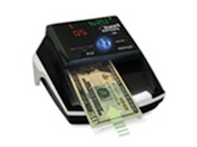
Protect your loan portfolio, satisfy your KYC and AML obligations, and stop fraud at the application — not after it lands on your loss report. Schedule a free consultation and see exactly how driver's license authentication fits into your loan approval workflow. Branches handling walk-in applicants often add a desktop ID scanner at the officer's desk, so every license gets read and verified before a single signature goes down.